

Running your first 12K is a daunting prospect, but if you get the preparation right, you’ll be surprised at how easy it can be. PRO A3 Fitness has the privilege to train five awesome “newbie” runners, Lily, Juliana, Visha, Harvinder and Haryanty for this year’s IJM HALF MARATHON which will be held on the 6th August 2023. My team and I started our journey 2 months ago and the training was and is challenging, even for regular runners, but not so challenging that it drains you of every last ounce of energy, it shouldn’t just be long runs.
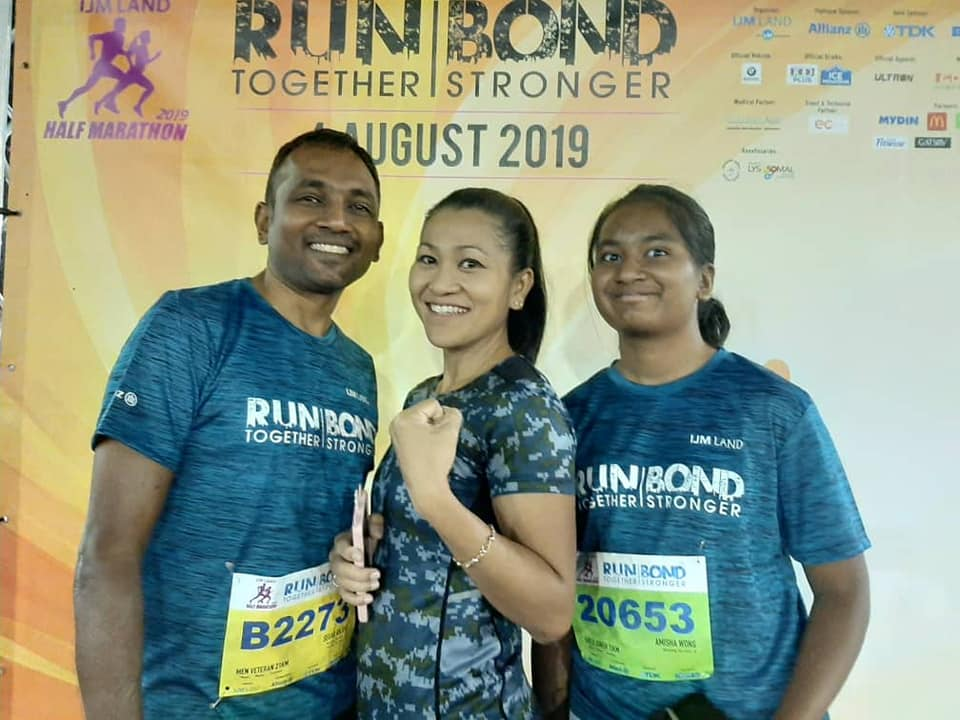
Above all training was and is fun – so with that in mind we’ve kept technical jargon to a minimum, but in order to get the most out of the plan the 12km is without doubt the number one favourite distance with runners everywhere. Why? Because it’s challenging, needs a fair amount of dedication, and requires thought when it comes to diet and lifestyle. But above all of this, it’s very, very achievable.


The average time for a 12km run for a beginner could be anything from 60 to 90 minutes. Those wondering “do I need to be fit to run 12km?” The answer is no, not specifically. All you need is the motivation to start and stick to a training plan that’ll help you gradually progress your fitness.
Age, fitness and overall health will influence your athletic performance. The best thing you can do if you want to improve your running fitness is to consistently work on your speed and endurance.
Tips for preparing before the race
The day before your race, there’s no need to do anything like carb load or take any extreme dietary measures, since your efforts are likely to require less than 90 minutes.
Doing some simple mobility exercises, staying hydrated, and trying to get a good night’s sleep will help you feel your best on race day.
The morning of the race, 1–4 hours before the starting gun, eat a good breakfast consisting of mostly carbohydrates and a little protein. This extra bit of carb energy will help top off your tank to keep ample glycogen available for immediate energy.
On race day, go with high glycemic foods that are easier to digest. Simple carbs, white grains, and sugary fruits may be good choices.
It’s best to try out various foods during training so you know what works for you. This will ensure you’re not surprised on race day to find that something disagrees with you.
Drink plenty of fluids the morning of your race, stopping about 1 hour before the start time to make sure you’re not running straight to the port-a-potties.

If you’re a coffee drinker, consuming your daily cup should be fine. Just be sure not to overindulge. However, if you’re not accustomed to coffee — and its bladder- and bowel-stimulating effects — race day may not be the best day to start drinking it. Caffeine is a stimulant and can help you access your energy stores more effectively.

These exercises will activate and warm the muscles of your hips, legs, feet, and core, preparing you to run efficiently and comfortably from the starting line rather than using the first 10 minutes of the race to hit peak readiness.

A good dynamic warmup includes some rhythmic movements such as side shuffles, high knees, and butt kickers. It can also involve some dynamic stretches such as leg swings, side lunges, and runner’s touches.

Don’t move too vigorously and tire yourself out, but do use your pre-race minutes to warm and limber up your body for the task ahead.

The bottom line
Give yourself credit for completing a 12K run, no matter what your time is. While a bit of competition is fine, make sure you’re not pushing yourself too hard or too quickly. Listen to your body and take rest days when needed.
Commit to a fitness program and expect to see results over several weeks. Enjoy the process as you reap the benefits of getting or staying fit, and don’t be surprised if you soon find yourself setting your sights on a half-marathon.
GOOD LUCK RUNNERS! See you at the IJM HALF MARATHON , 6th AUGUST, 2023!
 chrisywong.com