
Zumba is called such because of its similarity to the Cuban music genre rumba, a latin inspired. Music is a big factor in these exercise classes, which the name brings to mind. Zumba was officially founded in the United States in 2001 by Alberto “Beto” Perez, a Colombian dancer who started the fitness class in the ’90s in his home country. Perez’s “rags to riches” story could be considered serendipity—he was teaching an aerobics class at his local gym when he realized he’d forgotten his usual music.
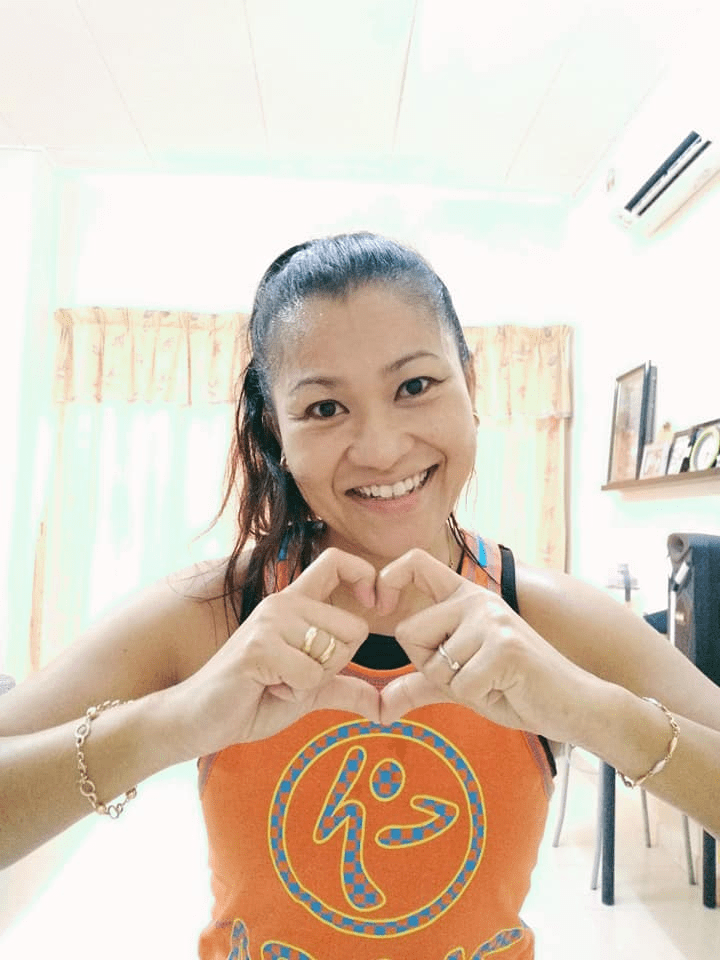
Deciding to take the class –
Let’s start at the beginning – you’ve taken a few Zumba classes and you are interested in becoming an instructor. You can find a training and register for it on the Zumba website. Unless you live in a fairly large city, you’ll probably have to drive at least an hour or maybe two to get there. I live in a small city called Seremban, Negeri Sembilan but was lucky enough to find a training in a bigger city in Shah Alam, 2 hours away, so I jumped on the chance to register my student Porsha Louis, the youngest participant, age 17 and she is now an official certified Zumba licensed Instructor! The training was conducted by ZES David Velez and was hosted by Ms Dora Dee, a friendly, cheerful and professional studio owner and with the total of 30 participants and a few Dinasours a.k.a seniors/experienced Zumba Instructors (nicknamed by David Velez).
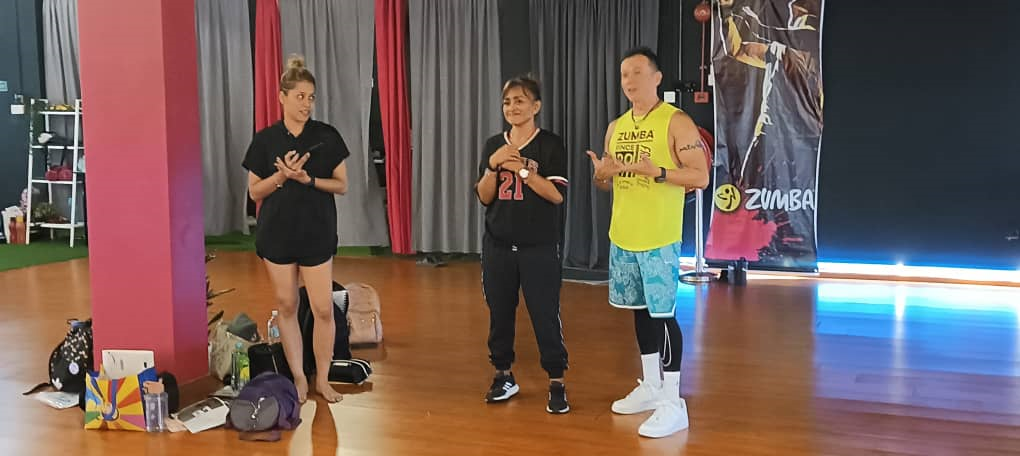
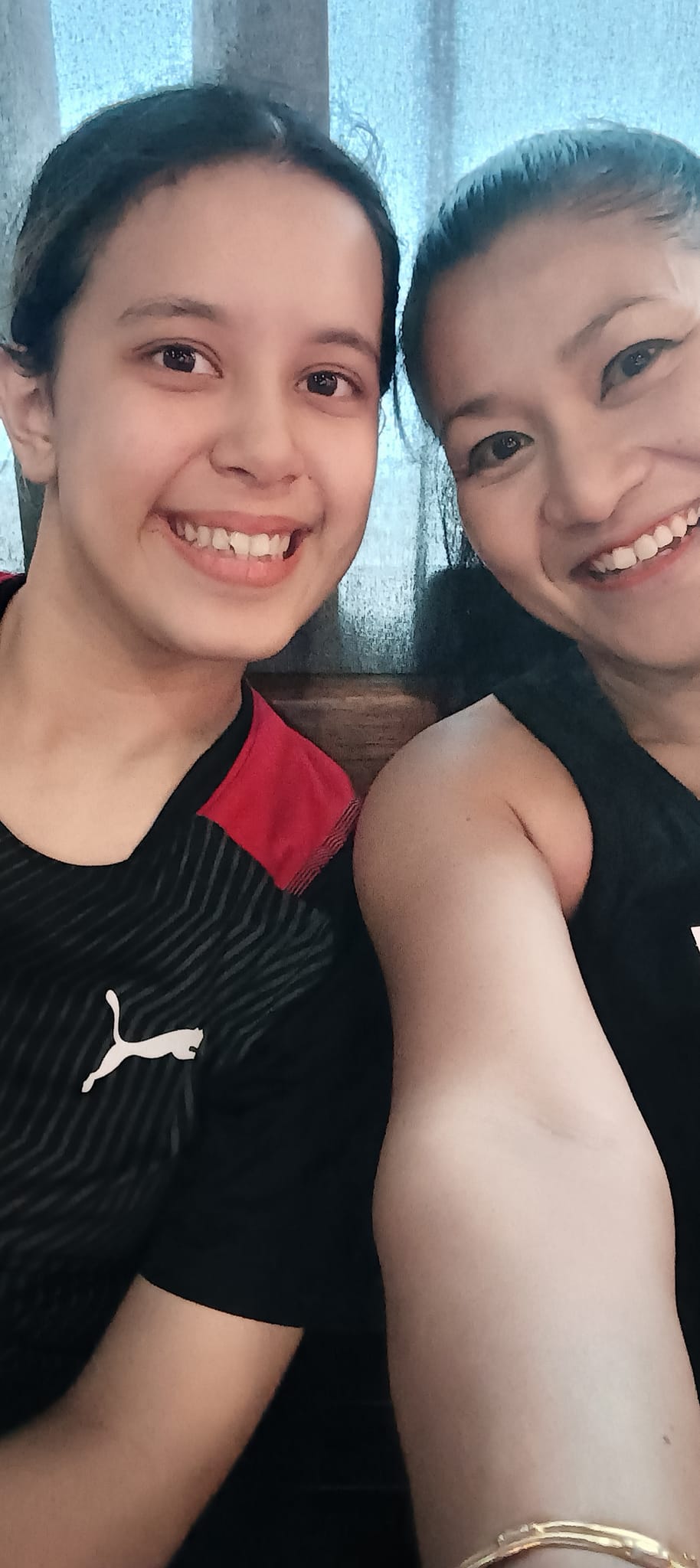
Firstly, you’ll need to create an account in order to register, of course. Once you’re registered you should receive a payment receipt and link to the training manual from Zumba via email, and then another email from the Instructor containing directions to the facility, itinerary and general instructions. Just read the email thoroughly to familiarize yourself with where to go and what to bring.

After registering –
You’ll need to download the B1 manual, which is very short and basically introduces you to the Zumba brand. If you are not already ACE, AFAA, etc. certified, it also provides some exercise physiology basics as they relate to Zumba as cardiovascular endurance training. If you are already certified, it’s worth it to read through to find out how Zumba sees itself as fitting into the physical fitness spectrum. Make sure you bring your ID, which is how they verify that you’re the person registered.
Training day –
You’ll present your ID and they check your name off the registration list. They’ll give you a couple forms, now it’s all digital, one of which is your standard activity waiver (you have to fill this one out) and the other is a Zumba Instructor Network (ZIN) registration form (you don’t have to fill this one out yet). After taking care of paperwork you should get settled for the day – have a snack or drink, find a cubby for your bags, check your phone, etc.
We started pretty much on time with a live Zumba class. If you’ve already taken Zumba classes, this should be pretty standard for you except that it may be longer than usual, to get you in the mood and warmed up!

After the live class we had a short break before discussing and practicing the “warm up” section of a class. This is where things got a little nerve-wracking for the participants because a few people were randomly chosen to come up on the stage individually to join ZES David Velez on stage. The instructor divided the class into groups by row and gave directions about what types of steps each of the rows were supposed to do if they were called up to the stage. The moral of the story is that you should really pay attention when the instructor is explaining.
The third section of our class was to learn the first of our Zumba Basic 1 steps: Merengue. The instructor broke down the step into levels of difficulty and showed several variations. If you have taken a Zumba class, you have likely done a variation of this step and will recognize it right away. They practiced this (and the other 3 steps I describe later) in place; few were called up onto the stage for these sections.
By this time in the class they were scheduled for a lunch break (though it was around 3 or 4 in the afternoon), so we had about 45 minutes to eat and get back to the facility. Some people chose to leave, others sat on the floor and socialized while eating, but I was seriously in need of some quiet time and decided to just eat and hang out a little corner, in the studio.
After lunch they practiced the second of the Zumba Basic 1 steps: Salsa. Again, the instructor broke down the step into levels of difficulty and showed several variations, but you will likely already know this step. Nothing too challenging here…
Then, as an interlude to break up the B1 steps training, they focused on cueing. After the instructor talked about the various types of cueing and demonstrated each, they were broken into few groups and this was the fun-tastic part, to practiced verbal vs. non-verbal cueing (hand gestures) on each other. It was somewhat awkward at first, but the exercise definitely demonstrated how much less effective verbal cueing is for Zumba.
The third of the Zumba B1 steps that they did was Cumbia, which you probably already know and love. By this point they had been in the training for over 6 hours and everyone were starting to get tired, but David the instructor did his best to keep everyone involved and smiling.
The fourth and final B1 step that you’re required to learn is the Reggaeton, which happens to be one of my favorites and gave me a little boost when I was getting tired. When you’ve learned all four B1 steps, you’ll know the training is almost done.
Finally, they discussed song mapping and creating choreography. Song mapping is how Zumba teaches its instructors to organize their choreography for a song and helps them remember their choreography based on the part of the song they’re hearing. It stresses memorizing the music, which means listening to the song over and over until you’re sick of it, more than likely. However, song mapping is a practical skill that works across the genre, not just for Zumba. To demonstrate to us how effective song mapping is, the instructor broke them into groups and gave each group a block of choreography that corresponded to a particular section of the song. They were supposed to start dancing only when that section played and, again, this demo was very effective at making the point.
Zumba provides a fun and positive workout experience with options appropriate for all ages and ability levels. There’s a lot of independent research to support the program’s efficacy and not much to detract from its potential benefits.
If you’re looking for an addictively fun, high-energy group dance workout set to upbeat music, Zumba is a great one to try.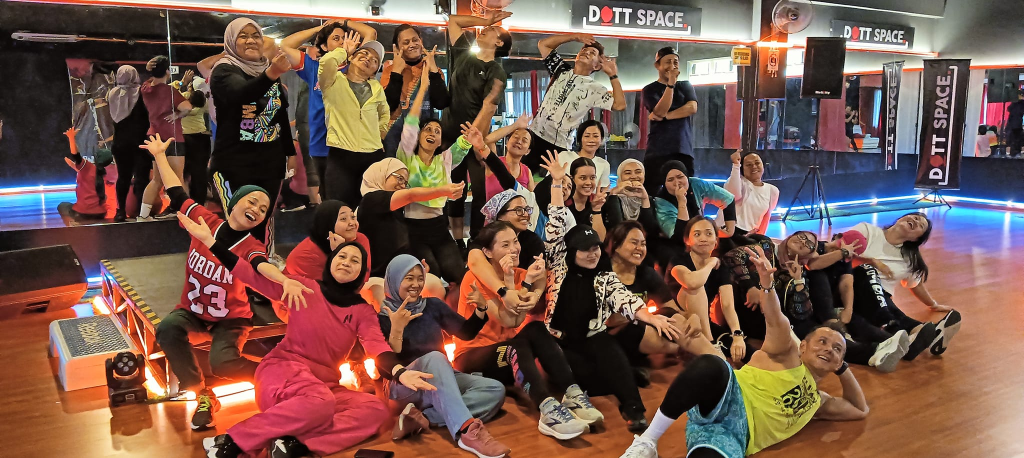
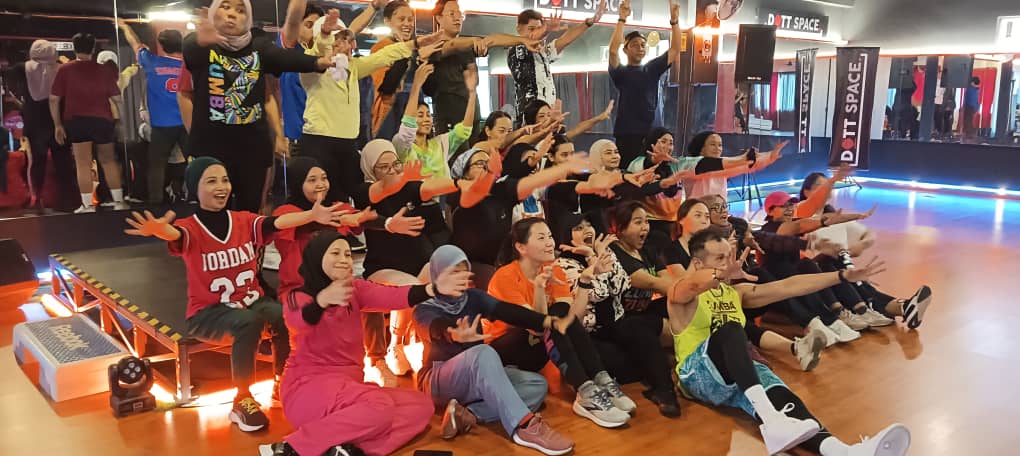
Finally, we took a group photo with the instructor and were sent out into the world as newly-minted Zumba instructors.

Zumba is one of the most fun and versatile fitness crazes to come along in a long time. Classes can be geared for just about any fitness level. Though most Zumba involves high-impact moves like bouncing and jumping, it can be modified to meet your needs.
If you want an overall strength training program, look for a Zumba class that incorporates some light weights for your upper body.
You can start slowly if needed, or you can dance your heart out if you are in great shape. If you just love to move your body to the music, then Zumba is for you. Thank you ZES David Velez, Ms Dora Dee and Fay for an awesome memorable experience! And to all the newly certified licensed Zumba Instructor, Congratulations!
 chrisywong.com