

The thrill of a half marathon, the adrenaline of a night race, and the anticipation of crossing the finish line—all washed away by torrential rain, roaring thunder, and unexpected floods. What was meant to be a memorable running event turned into a test of patience, resilience, and, unfortunately, disappointment due to poor crisis management.
The Waiting Game
Runners, both near and far, arrived early, eager to take part in the race. The weather was already looking ominous, but spirits remained high. As the rain intensified, concerns grew. There was no immediate official announcement, leaving hundreds of runners wondering about the fate of the event.
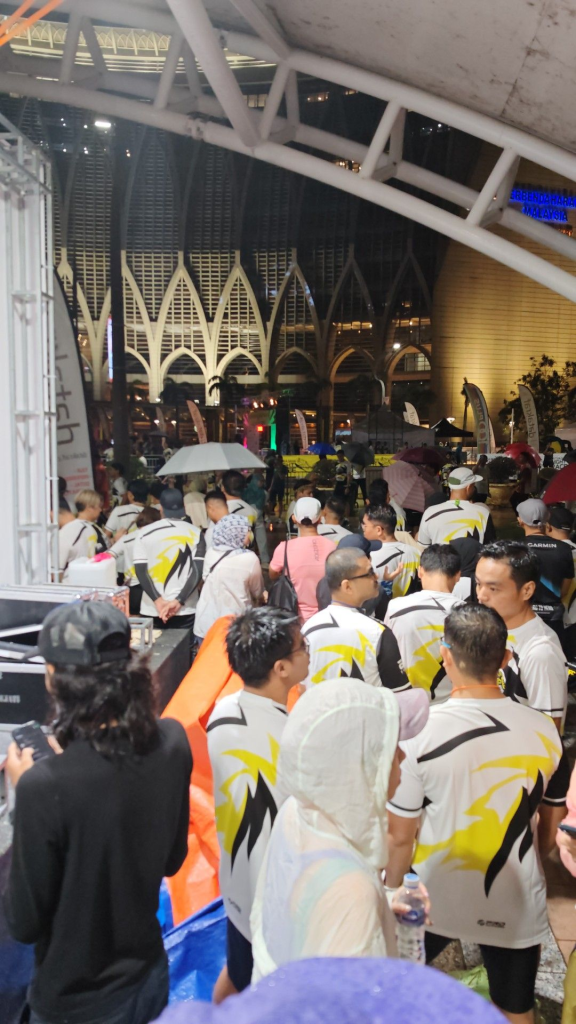
We were told that updates would be provided by 7:45 PM. So we waited. Some runners stayed hopeful, others skeptical. Time passed, and uncertainty loomed. Should we stay or head home? Many runners had traveled long distances, booked accommodations, and trained for months—only to be left in limbo.

The Announcement That Came Too Late
Finally, at around 8:40 PM—almost an hour after the promised update—the emcee made the official announcement: The race was cancelled.
While the decision to cancel was understandable given the dangerous weather conditions, the execution was far from ideal. A significant number of runners, drenched from standing in the downpour, joined an unorganized, painfully slow queue to collect their medals and finisher T-shirts. Others, confused and frustrated, were left with unanswered questions.

What About the Other Runners?
Many runners never got their medals or shirts. Was there a plan for distribution later? Would there be refunds or compensations? Was there an official communication channel for further updates? The lack of a professional and structured response left runners feeling abandoned.
Lessons in Crisis Management
This event should serve as a wake-up call for race organizers. When dealing with large-scale sporting events, especially outdoor ones, there must be a solid crisis management plan in place. Here are some key takeaways:
- Timely and Transparent Communication – Keep runners informed consistently, especially when safety is at risk.
- Backup Plans for Race Pack Collection – Runners should not have to queue in extreme weather to collect their items.
- Alternative Arrangements – Provide options such as medal and T-shirt delivery for those who could not stay.
- Respect for Participants – Acknowledge the time, effort, and investment made by runners. Professional handling of cancellations can maintain trust in future events.
A Call for Professionalism
To the event organizers: We understand that nature is unpredictable. However, your handling of the situation was disappointing. A well-organized race isn’t just about the route and logistics—it’s also about managing challenges professionally. We urge you to provide a follow-up response and ensure future races have better contingency planning.
To the runners: While the race did not happen, our dedication and perseverance remain. Let’s keep moving forward, rain or shine!
 chrisywong.com